
Wow! I opened a Solana dApp yesterday and felt that small spike of excitement you get when something actually works. My instinct said this is going to be smooth. Something felt off about the permissions panel though, and that made me pause. Initially I thought it was just another UX quirk, but then I dug deeper and found a subtle setting that changes how sites can interact with your wallet, which was surprising.
Okay, so check this out—I’ve used several browser extensions for Solana, and I keep coming back to tools that prioritize clear consent flows. Seriously? Some extensions show too much confidence and too little context. On one hand, an integrated NFT view is handy. On the other hand, those views can leak info to curious sites if you’re not careful. My experience made me tweak defaults and stare at permissions more than I used to.
Here’s the thing. Wallets are both interface and infrastructure. Hmm… that sounds fancy. What I mean is: the UI is how you interact, but the security model is the backbone that either keeps your keys safe or exposes them. I admit I’m biased toward wallets that are opinionated about defaults. I’m not 100% sure every user cares as much as I do, though—so I try to explain why these choices matter.
Short version: pick a wallet you understand. The common wallet I recommend for day-to-day Solana use is phantom wallet. It blends convenience with sensible defaults, and it’s become the de facto starting point for many collectors and traders. I’ll show you how I set it up, what I change right away, and where the little gotchas are—because those are the things that bite you days later when an NFT sale goes sideways.
A quick personal setup routine
I keep my setup simple. First: seed phrase stored offline and redundantly. Second: a browser profile dedicated to web3 activity—no shopping tabs, no banking, nothing else. Third: small daily wallet for interactions and a cold-backed wallet for holding the big stuff. This split keeps some accidental exposure from being catastrophic, and yes, it’s a tiny bit extra work but worth it.
When I install an extension I immediately check three things. Permission granularity. Network endpoints. And transaction preview clarity. Well, maybe four—because I also glance at the community reputation. My gut says a big user base usually means more scrutiny, which can help, though it’s not a guarantee. Actually, wait—let me rephrase that: a big user base increases the number of eyes on the software, but it doesn’t replace good architecture and sane defaults.
What bugs me about a few wallet UX flows is the vague language around signing. “Authorize” can mean a lot of things. Some sites request signature-based approvals that effectively allow future transactions without your explicit confirmation each time. Somethin’ like that is dangerous if you don’t limit the scope. So I toggle expiration and scope whenever the wallet allows it.
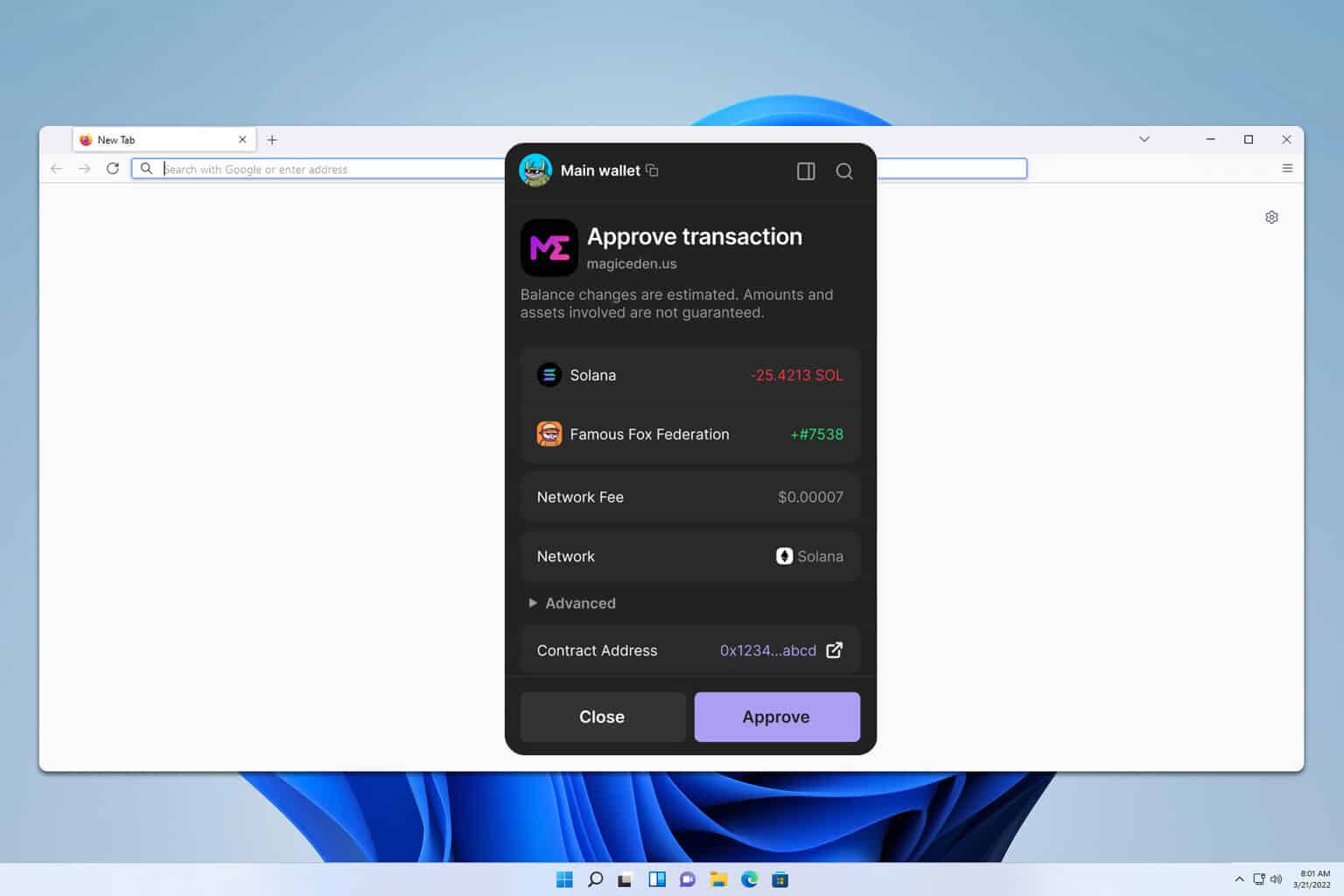
One practical move: always preview the transaction. Look at the amount, the recipient, and any extra data fields. If a contract wants you to sign a message instead of a payment, read it twice. Seriously? People rush this part and then blame the wallet when funds leave. Your wallet is a tool; your attention is the firewall. I know that sounds a bit preachy, but trust me, the small delay can save a lot of regret.
How NFTs change the game
NFTs bring different risks. They aren’t just tokens. They often include metadata, mutable links, and optional royalties that may or may not be enforced off-chain. Wow! That means what looks like an art purchase can include hooks that interact with other contracts later. On one occasion I clicked “accept” too quickly and later had to undo a marketplace approval—tedious but not impossible.
Marketplace approvals are the main vector for NFT-related risk. Approvals that are unlimited in scope are common. My rule: limit approvals to specific contracts and revoke them when you’re done. Browser wallets increasingly expose revocation tools, though sometimes they’re buried. I spend an extra 30 seconds revoking excessive approvals and it pays off in peace of mind.
Here’s a pro tip I picked up from other collectors: use a watch-only wallet for high-value pieces you don’t plan to move. It keeps you in the loop without exposing private keys. Also, keep your NFTs’ off-chain assets and manifests in mind. If an NFT references external media, that reference can change. Some projects preserve art immutably. Others… not so much.
On the topic of extensions specifically: run only what’s necessary. Extensions multiply the attack surface. Two extensions can interact in unexpected ways. I saw this once—very very odd behavior where a third-party plugin exposed DOM hooks that a malicious page used. Not common, but possible. So minimalism wins: fewer extensions, clearer intent, less risk.
When things go wrong
Okay, real talk: recovery is often messy. If you suspect a compromise, move assets you can still access to cold storage and then rotate account seeds. That sucks. It’s time-consuming and stressful. My feeling in those moments is a mix of anger and “I should’ve.” But you learn fast.
Phishing is still the top offender. Phishers copy UI elements and host mirror sites. They even clone transaction modals sometimes, which is scary. Pause and inspect the URL, and confirm the wallet’s permission modal isn’t being spoofed by the page. On one occasion I noticed a tiny CSS mismatch—a dead giveaway. Usually it’s subtler though, so vigilance matters.
Also, be cautious with browser sync features. Syncing your wallet across devices via a cloud service may be convenient. It may also export keys in ways you don’t realize. If you enable sync, understand exactly what data is being synchronized and where. I’m not saying don’t use it—just know the trade-offs.
Common questions
How do I safely connect to a new Solana site?
Start with a throwaway wallet for initial exploration. Grant minimal permissions. Read the requested scopes and expiration. If anything asks for unlimited transfer rights, deny it. Come back later with a more trusted wallet once you’ve verified the site.
Can I use one wallet for everything?
You can, but I don’t recommend it. Splitting wallets by purpose—daily interactions, collectibles, long-term holdings—reduces risk and makes recovery easier. It also helps you mentally separate activities, which oddly reduces mistakes.
Is the Phantom browser extension safe?
Many users prefer phantom wallet for its balance of UX and security, though you should still apply the same checks: review permissions, use separate profiles, and keep seeds offline. I’m biased, but I like its clarity and permission model.